Patience in the Soil: Endurance, Emotional Regulation, and Small Actions When Waiting Feels Impossible
Patience in the Soil
Endurance, Alignment, and Small Actions When Waiting Feels Impossible
♠ ♠ ♠
When “Be Patient” Hits Differently
I don’t know about you, but whenever someone tells me to be patient, my reaction depends entirely on the stage of growth I’m in.
Sometimes I can hear it and genuinely receive it.
Other times, it’s maddening.
When I’m already exhausted and the message to be patient keeps arriving—whether from another person or from the universe—it can feel visceral. Like the pit of my stomach turns into a volcano, lava moving through my organs, up into my throat, and out my mouth in a yell of:
“I am being patient—how about you be patient!”
And honestly, I empathize with that reaction completely.
Because here’s the paradox: the need for patience is both incredibly valid and incredibly frustrating.
Patience isn’t being suggested because you aren’t trying hard enough.
It’s often being asked for because your system, the circumstances or both need time and space.
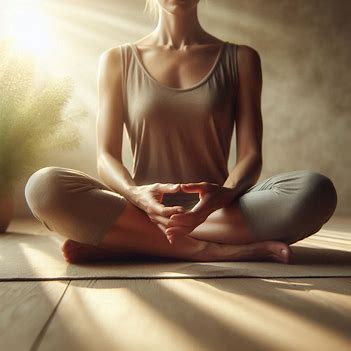
For me, patience is what allows my brain to empty out enough to free up processing power. When I stop forcing progress—when I switch my focus from getting something done to something regulating and restorative—my mind finally has room to receive information. And when Istop taking action for actions sake I allow the energetic to catch up with the physical.
That’s often when inspiration arrives.
When a past idea resurfaces.
When the next aligned move becomes clear without me having to hunt it down.
In that way, patience isn’t passive at all.
It’s essential to the growth process.
If you think about how cell growth works, it requires energy to multiply and repair. And if food fuels the body, then glimmers—joy, companionship, laughter, moments of softness—are food for the soul.
They feed our hearts.
They give our inner world the energy it needs to endure the soil phase and eventually push upward.
What’s remarkable about being human is that we can endure and thrive within the same lifespan.
Things really can turn around seemingly in the blink of an eye. And often, they do because patience allowed you to stay present long enough to meet the experience, opportunity, or connection that brought you exactly where you were meant to go all along.
That’s the part of growth that’s hardest to trust.
The web of life is vast and intricate beyond anything we could calculate. But the universe—our higher selves, the divine—can hold that complexity.
That’s where faith enters the picture.
And no, it doesn’t always feel easy.
Not even close.
But remembering this, even imperfectly, can make the waiting more bearable.
Which is why patience isn’t about suppressing emotion.
It’s about feeling the feelings without being devoured by them.
Reflective Pause
When I hear “be patient,” what happens in my body first?
Does the word feel like support — or like pressure?
What might my system actually need in this moment: action, rest, reassurance, or space?

♠ ♠ ♠
Suffering vs. Enduring
In the personal readings and collective readings I do, whenever I say there’s a need for patience, I can feel the knee-jerk response immediately.
The ‘What do you mean be patient’? energy is real.
Because when you’re already doing everything you can, being told to be patient can feel like an accusation.
When you’re in the thick of it, the thoughts come fast and loud.
Not because you aren’t trying—but because you already are.
Most of us have done the math over and over again, weighing effort, values, and survival in ways no one else can see.
So when patience feels enraging, it’s often not resistance—it’s exhaustion meeting misunderstanding.
And the difference between suffering and enduring often isn’t whether we hear the message.
It’s how we metabolize it.
I hear it.
I feel the rage.
I have my internal tantrum.
And then—eventually—I remember other times in my life when patience, even after resistance, did pay off.
Not because I forced it.
But because there were things moving outside my field of awareness—pieces aligning that I couldn’t see yet.
Sometimes what arrives is what I wanted.
Sometimes it’s something better than I knew to ask for.
Reflective Pause
Where in my life has patience eventually led somewhere meaningful?
What feels like suffering right now — and what might actually be endurance?
What shifts when I allow the initial reaction without judging it?
♠ ♠ ♠
When Patience Becomes About Survival
Patience feels very different when your basic needs are uncertain.
If you’re unsure how you’ll get food, afford a place to sleep, or maintain stability, being told to be patient can feel like a kick to the gut.
In those moments, patience isn’t about trust—it’s about risk.
This is often when people settle for things they normally wouldn’t. And that doesn’t mean they’ve failed. It means survival has entered the picture.
Urgency makes sense here.
As humans, we have an amygdala designed to detect threat. Under stress, it can override logic.
That urgency isn’t a flaw.
It’s part of survival.
The work becomes grounding in the present, identifying what’s actually in your control, and doing your best to mitigate what isn’t.
Even while waiting, I’ve noticed I’m rarely doing nothing.
I’m maintaining foundations.
I’m watching for opportunities.
I’m tending to what’s mine to tend.
There’s trust embedded there — even when waiting feels unbearable.
Reflective Pause
Is this situation asking for patience — or immediate protection?
What is actually within my control today?
What small stabilizing action would help my nervous system feel safer right now?
♠ ♠ ♠
The Soil Stage of Growth
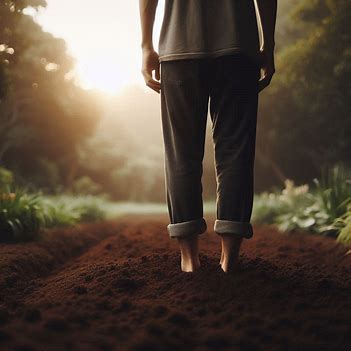
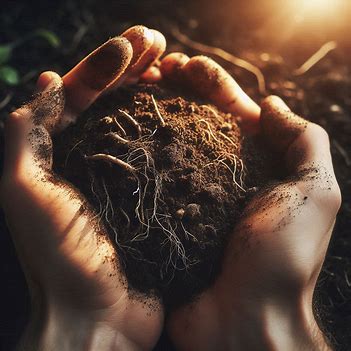
In the earliest stages of growth, nothing is visible yet.
Roots are forming.
Energy is gathering.
Progress is internal.
Being in the soil can feel suffocating. Emotionally heavy. Physically exhausting.
And when the soil itself feels hostile—when systems feel stacked against you—being told to trust the process can feel invalidating.
Because trust looks different depending on where you are.
If you’ve trusted before and seen it work, you have evidence.
If you haven’t, trust can feel theoretical.
Patience needs nuance.
Reflective Pause
What season of growth am I actually in right now?
Am I expecting visible results from a root-building phase?
If this is the soil stage, what might be strengthening beneath the surface?
♠ ♠ ♠
What I Actually Mean by Patience
Patience is not forcing outcomes.
It’s allowing room for inspired action.
It’s flexibility instead of rigidity.
Discernment instead of resignation.
Day-to-day, patience can look like:
leaving earlier so traffic doesn’t hijack your nervous system
planning while knowing plans may change
remembering disruption doesn’t equal failure
Proportion matters.
Is this delay going to affect my life next week?
Next year?
At all?
Patience asks:
Is action necessary here?
Or is this my need for control?
Will this effort matter long term?
Reflective Pause
What would patience look like in this situation if it were an act of strength?
Where might I be confusing control with safety?
What would flexibility allow here?
♠ ♠ ♠
Small Actions, Dignity, and Resilience
Feeling powerless erodes confidence faster than almost anything else.
Even when big actions aren’t possible, small actions protect dignity.
Like a slow drip filling a sink.
Small, consistent actions build habits.
Habits create results.
Results reinforce self-respect.
And that sense of dignity—the knowing you did what you could with what you had—matters.
Reflective Pause
What is one small action I can take this week that reinforces my agency?
Where have small efforts already compounded in my life?
What would honoring my dignity look like today?
♠ ♠ ♠
Glimmers Aren’t Fixes—They’re Fuel
Glimmers don’t fix structural problems.
They don’t erase pain.
They give your nervous system enough relief to keep going.
Joy doesn’t cancel suffering.
They coexist.
Without reprieve, no one would make it through the darkness.
Reflective Pause
What tiny glimmer has helped me recently?
Where can I intentionally create one today?
What doesn’t need fixing right now — only softening?

♠ ♠ ♠
Closing
Patience in the soil is not passive waiting.
It’s regulated endurance.
It’s aligned action.
It’s choosing to keep going without abandoning yourself.
If you’re tired of being strong, that makes sense.
If you’re tired of suffering, that does too.
And if there’s even a small chance that a shift in perspective could ease some of that weight—then maybe it’s worth trying something different.
Not to bypass the darkness.
But to gather enough strength to rise through it when the time comes.
You’re not behind.
You’re growing where it’s hardest to see.
Patience isn’t about waiting for life to begin.
It’s about learning to stay present—with dignity, discernment, and care—while life is still unfolding.
And maybe that’s why contrast exists at all.
So we can recognize faith when it shows up—even quietly.
Not as blind optimism.
But as the decision to endure without losing yourself.