
Sustaining Growth: How to Maintain Progress Without Burning Out
When Growth Starts Working
Maintaining Momentum Without Losing Yourself
♠ ♠ ♠
When the Waiting Phase Ends
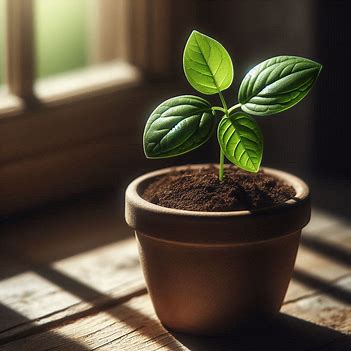
In the last blog I wrote about the importance of patience and faith when you’re in the soil—or void—part of the growth cycle. That stage is often about endurance. It’s about continuing to show up even when nothing seems to be happening yet.
But what happens when that phase begins to shift?
What happens when you finally start seeing progress?
When the effort you’ve been putting in begins to produce results?
When the fruits of your labor begin to appear?
For many people, that moment brings relief—but it can also bring a new kind of anxiety.
Because once something good starts happening, another question often follows close behind:
Will it last?
Will I be able to maintain this?
Can I keep up the effort it took to get here?
And that’s where another layer of growth appears. This stage is where ideas of lack, scarcity, doubt, and insecurity can start to creep in.
You worked so long and waited so patiently to get here that now the fear becomes losing it.
Reflective pause
• When things start improving in your life, what emotions tend to surface first—relief, excitement, or anxiety about keeping it going?
• Do you notice yourself worrying about losing progress once you finally achieve it?
♠ ♠ ♠
The Momentum Stage of Growth
When I’ve reached this stage in my own cycles of growth, one thing becomes clear pretty quickly:
You can’t keep your foot on the gas forever.
There’s a temptation when things finally start working to push harder—to keep applying the same level of effort indefinitely because you’re afraid the progress will disappear if you slow down.
But that isn’t sustainable.
No one can operate at maximum output forever. Eventually something has to shift.
This is where the foundations you built earlier in the process start to matter.
Think about riding a bike uphill.
When you’re climbing the hill, you have to pedal hard. Every push requires effort. You’re working against gravity and momentum.
But once you reach the top of the hill, something changes.
You can coast.
The forward motion doesn’t come purely from effort anymore—it comes from a combination of the work you already did and the momentum that work created.
Growth works the same way.

Reflective pause
• Where in your life are you still trying to push harder instead of allowing momentum to carry you forward?
• What foundations have you already built that might be supporting you more than you realize?
♠ ♠ ♠
Effort vs. Foundation
When progress begins to show up in your life, the question becomes less about how hard you can push and more about how strong the foundations you built actually are.
Because foundations are what allow momentum to continue without constant force.
In the earlier stages of growth, many people begin practices that help regulate their emotional and energetic systems. Things like meditation, journaling, movement, breathwork, time in nature, or other reflective practices.
But once life starts improving, it can be tempting to let those practices fall away.
That’s often where people unintentionally destabilize the progress they’ve made.
Maintenance isn’t about pushing harder—it’s about continuing to support the systems that helped you grow in the first place.
And at this stage, maintaining a connection with your spiritual practices can become especially important.
When you stay connected to your spiritual guidance—whether that looks like meditation, prayer, Reiki, reflection, or intuitive practices—you create space to receive insight about where adjustments may be needed.

Reflective pause
• Which practices helped stabilize you during difficult seasons of growth?
• Are those practices still part of your life now that things are improving?
♠ ♠ ♠
Keeping Practices Alive
For example, if walking meditations helped you regulate your nervous system during a difficult period, the question becomes:
Are you still doing them now that things are improving?
And if you are, are you allowing them to evolve so they don’t become stale?
Maybe that means exploring new environments for your walks.
Maybe it means trying other forms of meditation—like sitting meditation, breathing practices, or quiet observation.
The specific practices themselves can vary widely.
The important thing is maintaining a holistic approach to caring for your internal systems so that growth doesn’t become something you constantly have to force.

♠ ♠ ♠
The Role of Systems
Another important part of this stage is having systems in place.
When practices are done randomly or only when you feel like doing them, progress can become difficult to measure or track.
Consistency creates patterns.
Patterns create stability.
When you build systems around the things that support your wellbeing, you remove the need to constantly rely on motivation.

♠ ♠ ♠
Celebrating Progress Instead of Undermining It
Another thing that becomes important during this phase of growth is learning how to acknowledge the improvements that are happening.
When people are used to struggling, it’s common to immediately pick apart progress.
Instead of celebrating small wins, we might say:
“It’s not enough.”
“I should be further along.”
“I wish it were bigger.”
But that mindset can slowly drain the energy that growth depends on.
♠ ♠ ♠
Sustainable Growth
This part of the growth cycle is really about sustainability.
You’re no longer just trying to break through resistance.
Now you’re learning how to maintain momentum without exhausting yourself.
That means relying on the foundations you’ve built.
Maintaining the practices that regulate your system.
Allowing momentum to carry some of the weight.

♠ ♠ ♠
Closing Reflection
Every stage of growth asks something different of us.
The soil stage asks for patience and endurance.
The momentum stage asks for balance and maintenance.
It asks us to trust the foundations we’ve built while continuing to nurture them.
Because growth isn’t just about reaching a breakthrough.
It’s also about learning how to sustain the life you’re creating once it begins to appear.
And that process—like everything else in growth—is something we learn one cycle at a time.